ERRCS, BDA and DAS. Built for AHJ acceptance.
Mission-critical communications coverage for emergency responders, installed, grid-tested and recertified by tower-trained RF crews, with fire-alarm integration and AHJ-ready closeout from one contractor.
01 / Overview
A radio system first. Proven floor by floor.
A certificate of occupancy can hinge on radio coverage in a stairwell. We treat ERRCS as the radio system it is.
Acceptance first
Most ERRCS problems show up at the final inspection. We start with the acceptance criteria.
A floor that fails the grid, a donor link nobody sized, a fire-alarm tie-in that was never supervised. HexTel confirms the acceptance criteria with the fire marshal before mobilization, secures radio-owner consent before energizing, and measures each floor against IFC 510 before calling for the inspection.
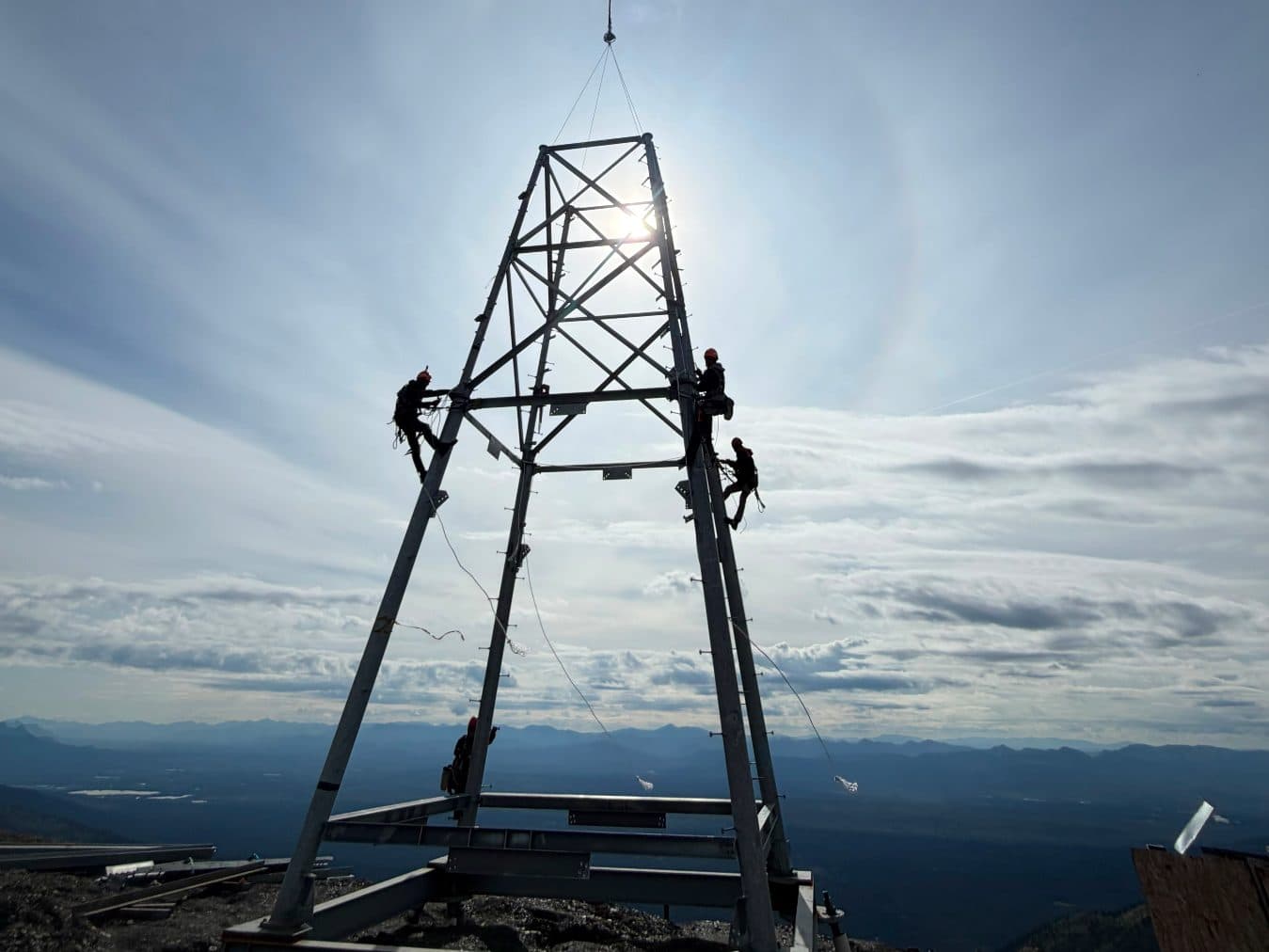
The crews that install the system are the same RF crews that build and integrate carrier sites, where sweep, PIM and acceptance testing are routine. Grid results, photos and AHJ-ready packets follow on the schedule agreed at kickoff.
New to the terms? Read what an ERRCS walk test is and how DAS differs from a BDA, in plain English.
02 / What we do
Install, test, integrate, recertify. One contractor.
ERRCS and BDA systems, IFC 510 grid testing, fire-alarm integration and annual recertification.
ERRCS and BDA
Design-assist, installation and commissioning of emergency responder coverage systems on UL 2524 listed OEM equipment, installed by tower-trained RF crews rather than a subcontracted low-voltage shop.
- Design-assist coordination with the engineer of record and the OEM
- Donor antenna, BDA, fiber and coax distribution installed by in-house crews
- FCC Part 90 radio-owner consent secured before anything is energized
- Pathways and power by licensed electrical qualifiers under HexTel permits
Grid testing
IFC 510 grid testing floor by floor: downlink and uplink signal surveys measured against the acceptance criteria, with coverage maps and reports in the format your fire marshal expects.
- Pre-construction surveys to size the system before bid
- Per-floor grid measurements, downlink and uplink
- Coverage maps and AHJ-format reports from our in-house closeout platform
- Results and photos archived on the schedule agreed at kickoff
Fire-alarm integration
Supervised annunciation and panel tie-in, coordinated with the building's licensed fire-alarm contractor. Circuits and pathways are installed by licensed electrical qualifiers under HexTel permits, so coverage, pathways and power have one accountable contractor.
- Supervisory signals and annunciation to the fire-alarm panel
- Circuits and pathways by licensed electrical qualifiers under HexTel permits
- Scope coordinated with the building's licensed fire-alarm contractor
- One contractor across RF, pathways and power
Annual testing
Code-driven annual recertification: ERRCS inspection and testing with reports on the agreed schedule.
- Annual grid retest and system function checks
- Report delivered on the schedule agreed for the visit
- Visits timed with the building's fire-alarm inspection where the building allows
- Deficiency findings scoped and priced after the visit
03 / Standards
Criteria first. Then the build.
What is settled before crews mobilize, and who carries each part of the scope.
- Equipment
- UL 2524 listed OEM equipment
- Acceptance
- IFC 510 criteria, confirmed with the AHJ before mobilization
- Radio-owner consent
- FCC Part 90 consent secured before energizing
- Crews
- RF crews trained on towers and in-building DAS
- Electrical scope
- Licensed electrical qualifiers pull permits under HexTel's name for pathways and power
- Fire alarm
- Coordinated with the building's licensed fire-alarm contractor
04 / Proof
The closeout discipline of our carrier work.
References and closeout samples from our wireless programs are released on request.
The wireless record
Public-safety and macro-tower deployment across the South, Southwest and Midwest.
FirstNet, the public-safety network, goes on nearly every AT&T site our crews build, with sweep, PIM, RF validation and acceptance closeout as part of the scope. HexTel's in-building work draws on that record. Read the public-safety wireless case study.
05 / Questions
Common questions on ERRCS and BDA work.
- Who designs the system?
- We work design-assist: the engineer of record and the OEM own the design, and our crews install, test and commission it. On smaller buildings we can run the pre-construction survey that sizes the system before bid.
- How do you get AHJ acceptance?
- Acceptance criteria are confirmed with the fire marshal before mobilization, and FCC Part 90 radio-owner consent is secured before the system is energized. Grid results, photos and AHJ-ready packets follow on the schedule agreed at kickoff.
- Do you handle the fire-alarm tie-in?
- Yes, coordinated with the building's licensed fire-alarm contractor. Circuits and pathways are installed by licensed electrical qualifiers under HexTel permits, so you have one contractor across coverage, pathways and power.
- Can you take over annual testing on an existing system?
- Yes. Annual recertification includes the grid retest and system checks, with the report delivered on the agreed schedule. Where the building allows, the visit is timed with the building's fire-alarm inspection.
- Why an RF construction company for ERRCS?
- ERRCS is a radio system first. Our crews come from tower and DAS work, where sweep, PIM and carrier acceptance are routine, and the same closeout discipline carries over to AHJ acceptance.
Next step
Have a building that needs ERRCS?
Send the address, the floor count and the AHJ. We reply within one business day with the questions that matter for acceptance and a path to a priced scope.